


Bird Watching: Bird Observation in the Dominican Republic
Imagine waking up to the melodic symphony of exotic tropical birds echoing through lush, emerald canopies. Bird Watching: Bird Observation is rapidly becoming one of the most sought-after eco-tourism activities for nature lovers visiting the Caribbean.
For North American travelers and returning locals looking for a profound connection with nature, the island offers an unmatched sanctuary. The incredible biodiversity found here makes every morning hike an exciting treasure hunt for rare, endemic species.
Whether you are a seasoned ornithologist or a curious beginner, the vibrant feathers and unique calls of our local avian life will captivate your heart. Prepare your binoculars and let us guide you through the ultimate birding adventure in the majestic Dominican Republic.
Stepping away from the bustling all-inclusive resorts allows you to discover a hidden, tranquil world. The Dominican Republic is not just about pristine beaches; it is a living, breathing jungle waiting to be explored by passionate eco-tourists.
Table of Contents
- 1. Why Choose the Dominican Republic for Bird Watching?
- 2. Top Bird Species to Spot
- 3. Best Locations for Bird Observation
- 4. Essential Gear for Your Adventure
- 5. Combining Bird Watching with Other Eco-Tours
- 6. Conclusion
- 7. Frequently Asked Questions (FAQs)
1. Why Choose the Dominican Republic for Bird Watching?
An Endemic Paradise
The island of Hispaniola, shared with Haiti, is a legendary hotspot for biodiversity. Because of its isolated geographical evolution, the Dominican Republic boasts over 300 bird species, with an astonishing 32 being completely endemic.
This means that you cannot find these specific birds anywhere else on Earth. For avid birders, spotting an endemic species is the ultimate badge of honor. The varied microclimates across the Dominican Republic create perfect habitats for these unique creatures.
From the pine forests of the central mountains to the coastal mangroves of Puerto Plata, Dominican Republic, the ecosystems are incredibly diverse. This rich environmental tapestry guarantees a rewarding experience for any wildlife enthusiast.
For more details on the country’s protected areas, you can explore the official GoDominicanRepublic tourism board, which highlights the vast national parks waiting to be explored.
A Haven for Migratory Birds
Beyond the resident species, the Dominican Republic serves as a crucial wintering ground for countless migratory birds from North America. Warblers, thrushes, and sandpipers flock to the warm Caribbean climate to escape the freezing northern winters.
This seasonal influx creates a dynamic and ever-changing birding landscape. Visiting during the winter months means your Bird Watching: Bird Observation checklist will grow exponentially as you spot both local and visiting species.
2. Top Bird Species to Spot in the Dominican Republic
The Palmchat (Cigua Palmera)
You cannot talk about Bird Watching: Bird Observation here without mentioning the Palmchat. As the national bird of the Dominican Republic, this highly social and vocal creature is a must-see for any visitor.
They build massive communal nests in the fronds of Royal Palms, which are a spectacular sight. You will often hear their noisy, cheerful chatter before you even spot them in the towering canopy of the Dominican Republic.
Hispaniolan Woodpecker
The Hispaniolan Woodpecker is a striking bird with a vibrant red crown and a bold black-and-yellow striped back. They are incredibly active and can be seen in almost every wooded area of the Dominican Republic.
Unlike many woodpeckers, they are quite social and often travel in small, noisy family groups. Spotting their acrobatic displays on tree trunks is always a thrilling moment for photographers visiting the Dominican Republic.
Broad-Billed Tody (Barrancolí)
This tiny, jewel-like bird is a favorite among bird watchers. With its bright green back, vibrant red throat, and yellow underbelly, the Broad-Billed Tody looks like a flying emerald darting through the forest.
They are surprisingly approachable, often allowing quiet observers to get very close. You will find them flitting through the lower underbrush of the humid forests in the Dominican Republic, hunting for insects.
To keep track of your sightings and see recent reports from other birders, we highly recommend using eBird’s database for the Dominican Republic, managed by the esteemed Cornell Lab of Ornithology.
Exploring these habitats requires patience and respect for nature. Always ensure you maintain a safe distance from nesting areas to protect the fragile ecosystems of the Dominican Republic.
[INSERTA_TU_SHORTCODE_AQUI]
3. Best Locations for Bird Observation in Puerto Plata, Dominican Republic
Isabel de Torres National Park
Rising majestically above Puerto Plata, Dominican Republic, the Isabel de Torres mountain is a premier destination for Bird Watching: Bird Observation. The botanical gardens at the summit provide a lush, protected environment for wildlife.
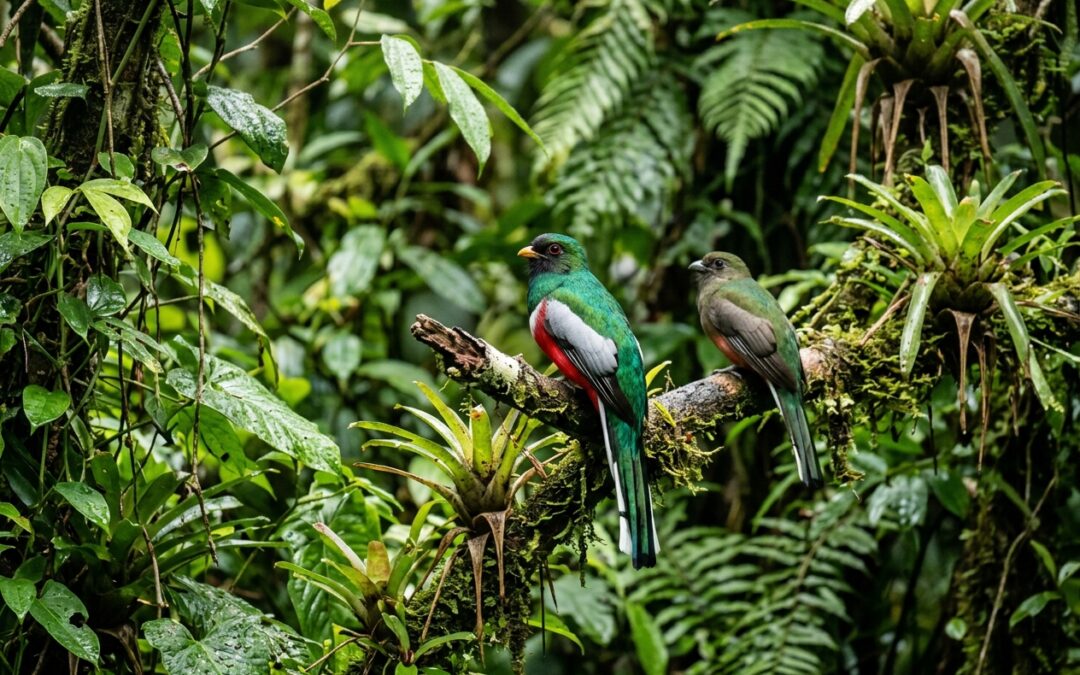
As you wander through the misty trails, keep your eyes peeled for the Hispaniolan Emerald hummingbird and various species of trogons. The cool climate at the top is a refreshing contrast to the sunny beaches of the Dominican Republic below.
El Choco National Park
Located just a short drive from the main tourist hubs, El Choco National Park offers a complex network of caves, lagoons, and dense forests. This area in the Dominican Republic is a sanctuary for water birds and forest dwellers alike.
Guided boat tours through the lagoons provide a unique vantage point for spotting elusive herons and egrets. The sheer volume of wildlife in this region of the Dominican Republic will leave you absolutely mesmerized.
Tubagua Ecolodge Surroundings
For a truly immersive experience, staying at an eco-friendly lodge places you right in the heart of bird habitats. The panoramic views and dense tropical foliage make it a natural sanctuary for avian life.
You can wake up to the sound of nature and start your observation right from your private balcony. Discover more about this pristine environment in our Tubagua Ecolodge Getaway Experience in Puerto Plata guide.
4. Essential Gear for Your Bird Watching Adventure
Optics and Field Guides
Having the right equipment is crucial for successful Bird Watching: Bird Observation. A high-quality pair of binoculars (8×42 or 10×42) is essential for spotting small birds hidden deep within the foliage.
Do not forget a comprehensive field guide specific to the birds of the Dominican Republic. A lightweight, moisture-wicking outfit and comfortable hiking boots will keep you comfortable during long treks through the jungle.
Since the tropical sun can be intense, a wide-brimmed hat, eco-friendly insect repellent, and plenty of water are absolute necessities for any outdoor excursion in the beautiful Dominican Republic.
Camera Equipment for Wildlife Photography
If you want to capture the vibrant colors of the local wildlife, a DSLR or mirrorless camera with a telephoto lens (at least 300mm) is highly recommended. The dense canopy in the Dominican Republic can create challenging lighting conditions.
Using a monopod can help stabilize your shots without weighing you down during long hikes. Remember to be patient and move slowly to avoid startling the delicate birds of the Dominican Republic.
5. Combining Bird Watching with Other Eco-Tours in the Dominican Republic
Hiking and Camping in Nature
Why limit your adventure to just birding? The rugged landscapes of the Dominican Republic are perfect for multi-day eco-adventures. You can easily combine your birding goals with thrilling hikes across diverse terrains.
Exploring hidden trails allows you to access remote habitats where rare birds thrive undisturbed. Learn more about the best routes in our comprehensive guide to Puerto Plata Trails for Hiking: Nature Hiking.
If you truly want to disconnect from the modern world and sleep under the stars, spending a night in the wild is unforgettable. For tips on how to prepare, check out our Guide to Camping: Camping in Nature in DR.
6. Conclusion
Engaging in Bird Watching: Bird Observation is one of the most peaceful yet exhilarating ways to experience the natural beauty of the Caribbean. The breathtaking landscapes provide the perfect backdrop for your adventure.
From the tiny, colorful Tody to the majestic raptors soaring above the mountains, the avian life here is spectacular. The Dominican Republic is truly a world-class destination for eco-tourists, photographers, and nature lovers alike.
Pack your binoculars, bring your sense of wonder, and prepare to be amazed by the sights and sounds. Your ultimate birding vacation in the beautiful Dominican Republic awaits you!
7. Frequently Asked Questions (FAQs)
What is the best time of year for bird watching in the Dominican Republic?
The best time is during the winter and early spring months, from November to April. During this period, the Dominican Republic hosts many migratory birds from North America, adding to the already rich population of endemic species.
Do I need a guide for bird observation in the Dominican Republic?
While you can certainly explore on your own, hiring a local expert guide is highly recommended. They know the specific calls and hidden habitats of rare endemic birds across the Dominican Republic, ensuring a much more successful trip.
Are the birding trails in Puerto Plata, Dominican Republic safe?
Yes, the established national parks and eco-reserves in Puerto Plata, Dominican Republic, are very safe for tourists. Always stick to marked trails, respect the wildlife, and consider traveling with a certified eco-tour operator.
Can I see flamingos in the Dominican Republic?
Yes, absolutely! While they are more common in the southwestern region of the Dominican Republic, such as Laguna de Oviedo, you can occasionally spot them in protected coastal lagoons during specific migratory seasons.