




Coral Reef: Coral Reefs Guide to Puerto Plata’s Underwater Paradise
Imagine slipping into warm, turquoise waters where the sun’s rays illuminate a bustling metropolis of marine life. For North American travelers and returning Dominican-Yorks, the north coast of the Dominican Republic offers an unparalleled escape into nature. The vibrant coral reef: coral reefs of Puerto Plata, Dominican Republic, represent some of the most breathtaking underwater ecosystems in the Caribbean.
Whether you are arriving via the luxury cruise ports of Amber Cove, Dominican Republic, or Taino Bay, Dominican Republic, an unforgettable aquatic adventure awaits. This ultimate guide will walk you through the best diving spots, conservation efforts, and luxury excursions to experience these natural wonders. Let us dive deep into the crystal-clear waters of this tropical paradise.
Table of Contents
- What Makes the Coral Reef: Coral Reefs of Puerto Plata, Dominican Republic, So Unique?
- Top Snorkeling and Diving Spots in Northern Dominican Republic
- Marine Biodiversity: What You Will See Under the Waves
- Essential Tips for Sustainable Reef Tourism
- Planning Your Luxury Reef Excursion from Puerto Plata, Dominican Republic
- Frequently Asked Questions
What Makes the Coral Reef: Coral Reefs of Puerto Plata, Dominican Republic, So Unique?
The coral reef: coral reefs of Puerto Plata, Dominican Republic, are unique due to their exceptional biodiversity, warm year-round temperatures, and dramatic underwater volcanic topography. These thriving ecosystems support hundreds of tropical fish species and vibrant hard and soft coral formations, making them a premier destination for eco-tourists.
Unlike other heavily commercialized Caribbean destinations, the northern coast of the Dominican Republic boasts reefs that have retained their rugged, natural charm. The unique geological formations off the coast of Cabarete, Dominican Republic, and Sosúa, Dominican Republic, create intricate underwater tunnels, swim-throughs, and deep walls. These structures provide critical habitats for marine life and offer divers a dynamic playground to explore.
The mixing of Atlantic currents brings nutrient-rich waters, which fuels the growth of massive brain corals and delicate sea fans. For travelers seeking a blend of luxury and raw natural beauty, these reefs offer an escape like no other. From the golden sands of Playa Dorada, Dominican Republic, to the hidden coves of the region, the underwater world is easily accessible.
Top Snorkeling and Diving Spots in Northern Dominican Republic
The best snorkeling and diving spots in northern Dominican Republic are centered around Cayo Arena, Dominican Republic, and the sheltered bays of Sosúa, Dominican Republic. These locations offer crystal-clear visibility, calm waters, and immediate access to shallow reef systems teeming with marine life.
Whether you are a seasoned scuba diver or a first-time snorkeler, the northern coast of the Dominican Republic has a spot tailored to your skill level. Let us explore the two most iconic locations that you must add to your vacation itinerary.
Cayo Arena, Dominican Republic: The Ultimate Coral Island
Cayo Arena, Dominican Republic, is a breathtaking coral islet located off the coast of Punta Rucia, Dominican Republic, offering the most vibrant shallow-water snorkeling in the country. Visitors can swim directly from the sandy beach into a natural aquarium filled with yellowtail snappers, damselfish, and surgeonfish.
Often referred to as Paradise Island, Dominican Republic, this tiny sandbar is surrounded by a circular reef barrier that protects swimmers from strong ocean currents. It is widely considered the crown jewel of snorkeling in the Dominican Republic. To make the most of your journey to this tropical oasis, check out our comprehensive Snorkeling at Cayo Arena: Coral Reef Guide.
For those looking to book a seamless, premium experience, we highly recommend securing the Best Deals for Paradise Island (Cayo Arena) to enjoy private transport and VIP amenities. This excursion is perfect for families and couples alike.
Sosúa Bay, Dominican Republic: A Diver’s Dream
Sosúa Bay, Dominican Republic, is a protected marine sanctuary renowned for its calm, crystal-clear waters and diverse underwater wall dives. It serves as the perfect training ground for beginners and a thrilling playground for advanced divers exploring deep coral gardens.
The bay features several famous dive sites, including Three Rocks and the Airport Wall, where massive coral towers rise from the sandy seafloor. The sheer variety of soft corals and sea anemones here is staggering. If you want to plunge deeper into these waters, explore our guide on Scuba Diving: Reef Diving in Puerto Plata to plan your underwater excursion.
According to the official tourism board at GoDominicanRepublic, Sosúa Bay, Dominican Republic, remains one of the most resilient marine habitats on the north coast. It is an absolute must-visit for any diving enthusiast.
Marine Biodiversity: What You Will See Under the Waves
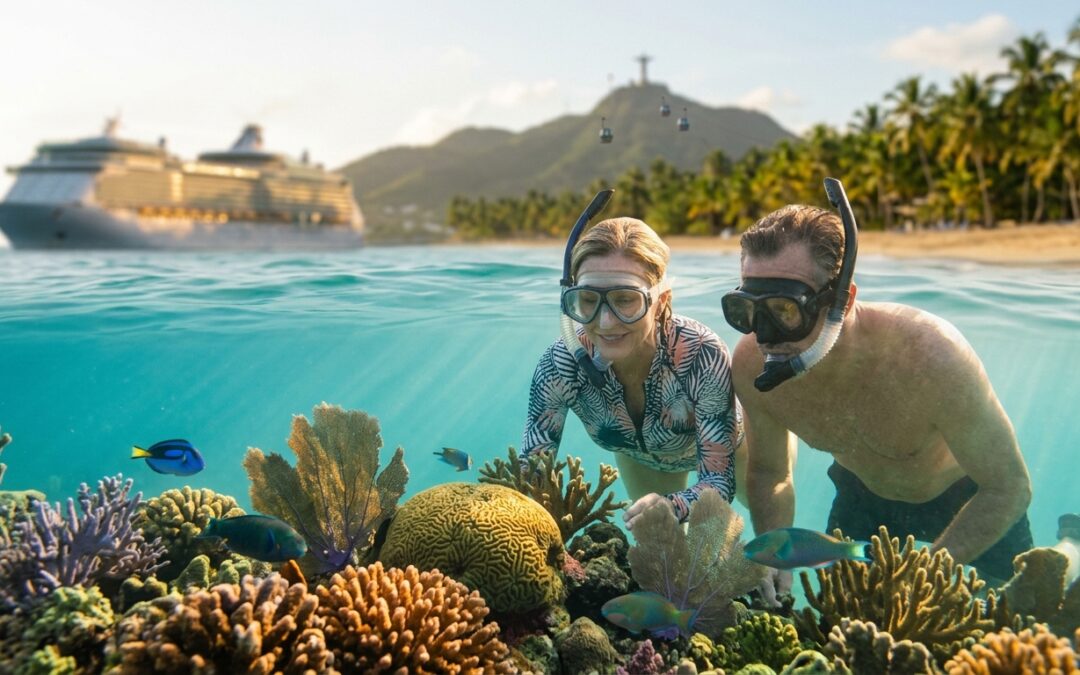
Exploring the coral reef: coral reefs of Puerto Plata, Dominican Republic, reveals a stunning array of marine life, including sea turtles, eagle rays, and vibrant parrotfish. Divers will also encounter massive brain corals, delicate sea fans, and intricate tube sponges that form the backbone of this underwater ecosystem.
The health of the coral reef: coral reefs is directly linked to the incredible diversity of species that call them home. As you glide through the water, you will be surrounded by schools of blue tangs, sergeant majors, and majestic angel fish. If you are lucky, you might spot a hawksbill sea turtle feeding on sponges or a spotted eagle ray gliding effortlessly along the sandy bottom.
Macro-photographers will delight in finding tiny seahorses, cleaner shrimps, and colorful nudibranchs hiding within the reef crevices. For families who want to learn more about marine conservation before heading into the open ocean, visiting highly rated attractions on TripAdvisor like Ocean World, Dominican Republic, can provide valuable educational context about local marine species.
Essential Tips for Sustainable Reef Tourism
Sustainable reef tourism in Puerto Plata, Dominican Republic, requires visitors to use reef-safe sunscreen and maintain a respectful distance from all marine life. By avoiding touching the delicate coral structures, travelers can help preserve these ancient ecosystems for future generations.
The coral reef: coral reefs of the Dominican Republic face environmental pressures from climate change and coastal development. As responsible luxury travelers, it is our duty to minimize our ecological footprint while enjoying these natural wonders. Always choose tour operators that practice responsible anchoring techniques, ensuring they do not drop heavy anchors directly onto live coral.
When snorkeling or diving near Amber Cove, Dominican Republic, or Taino Bay, Dominican Republic, ensure your fins never kick or scrape the reef. Additionally, supporting local conservation initiatives helps fund coral nurseries and reef restoration projects along the coast of Cabarete, Dominican Republic, and Sosúa, Dominican Republic.
Planning Your Luxury Reef Excursion from Puerto Plata, Dominican Republic
Planning a luxury reef excursion in Puerto Plata, Dominican Republic, is best done by booking private catamaran charters that offer customized itineraries and premium amenities. These high-end tours provide exclusive access to secluded snorkeling spots away from the crowds, complete with gourmet local gastronomy and professional guides.
To elevate your vacation, consider combining your reef adventure with other iconic land-based attractions. For instance, you can spend the morning exploring the lush trails of Mount Isabel de Torres, Dominican Republic, and the afternoon sailing along the coast of Playa Dorada, Dominican Republic. This balance of land and sea showcases the very best of the region.
For thrill-seekers, pairing a snorkeling trip with a visit to the famous Damajagua Waterfalls, Dominican Republic, offers the ultimate contrast between freshwater and saltwater adventures. Always book your excursions through reputable local agencies to ensure safety, comfort, and an authentic experience in the Dominican Republic.
Conclusion
The coral reef: coral reefs of Puerto Plata, Dominican Republic, offer an enchanting window into a vibrant underwater world that is waiting to be explored. From the pristine sands of Cayo Arena, Dominican Republic, to the deep walls of Sosúa, Dominican Republic, these marine treasures promise memories that will last a lifetime. As you plan your next luxury getaway, let the warm waters of the Dominican Republic beckon you. Dive in, respect the ocean, and experience the magic of the Caribbean’s most spectacular reefs.
Frequently Asked Questions
Frequently Asked Questions about the coral reef: coral reefs of Puerto Plata, Dominican Republic, provide essential insights for planning your upcoming Caribbean vacation. Below, we answer the most common queries regarding safety, timing, and accessibility for these marine ecosystems.
What is the best time of year to visit the coral reef: coral reefs in Puerto Plata, Dominican Republic?
The best time of year to visit the coral reef: coral reefs in Puerto Plata, Dominican Republic, is during the dry season from December to April, when water visibility is at its peak and weather conditions are calm. However, the warm tropical climate of the Dominican Republic makes snorkeling and diving enjoyable year-round.
Are the coral reef: coral reefs in Sosúa, Dominican Republic, safe for beginner snorkelers?
Yes, the coral reef: coral reefs in Sosúa, Dominican Republic, are highly safe for beginner snorkelers due to the sheltered nature of Sosúa Bay, Dominican Republic, which protects the area from strong waves and currents. Many local tour operators provide life jackets and professional guides to ensure a safe and comfortable experience.
Can I visit Cayo Arena, Dominican Republic, on a shore excursion from Amber Cove, Dominican Republic?
Yes, you can visit Cayo Arena, Dominican Republic, on a shore excursion from Amber Cove, Dominican Republic, but it requires a full-day tour due to the travel time between the cruise port and Punta Rucia, Dominican Republic. It is highly recommended to book a private transfer to ensure you return to your ship on time.
Why are the coral reef: coral reefs of the Dominican Republic ecologically important?
The coral reef: coral reefs of the Dominican Republic are ecologically important because they protect the coastline from erosion, support local fisheries, and provide a habitat for over 25% of all marine life in the Caribbean. They are also a vital driver of the tourism economy in coastal towns like Cabarete, Dominican Republic, and Puerto Plata, Dominican Republic.