


Exploring the Coastal Mangrove Forest: Mangrove Forest Escapes in Puerto Plata, Dominican Republic
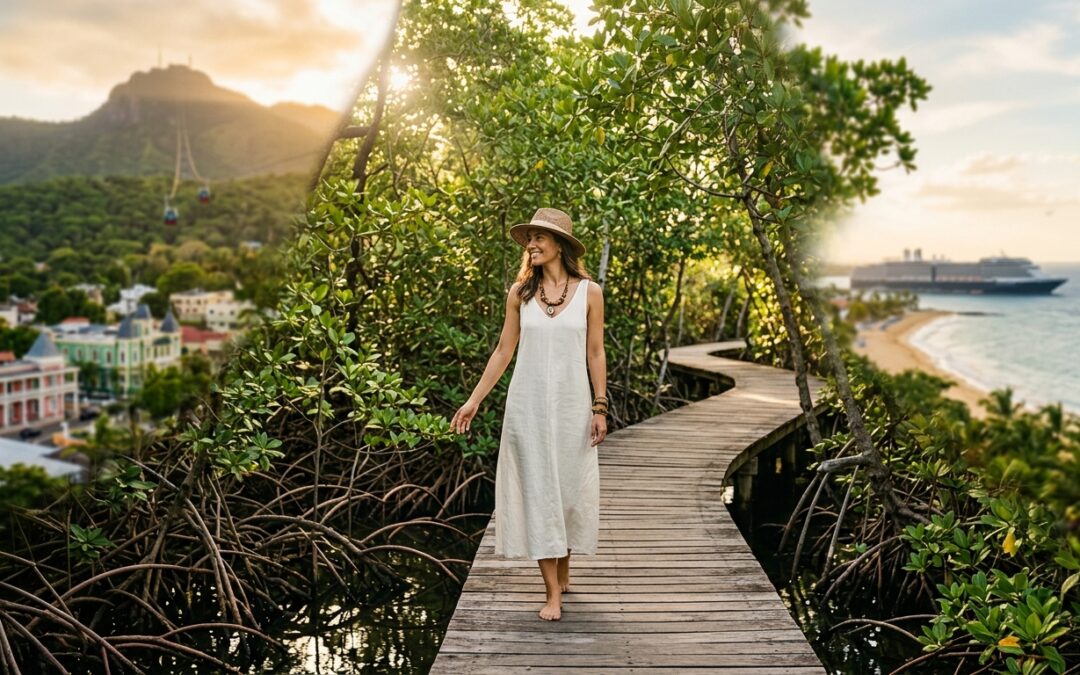
Imagine gliding silently through emerald channels beneath a dense canopy of intertwining stilt roots. The tropical northern coastline of Puerto Plata, Dominican Republic offers discerning travelers an extraordinary journey into untamed marine sanctuaries. Immersing yourself in a pristine coastal sanctuary reveals the rich biodiversity that guards the island’s vibrant shorelines.
Whether you are stepping off a luxury ship at Amber Cove in Puerto Plata, Dominican Republic, disembarking at Taino Bay in Puerto Plata, Dominican Republic, or relaxing at a resort in Cabarete, Dominican Republic, exploring these coastal wetlands delivers an unforgettable eco-adventure. In this ultimate guide, our team at POP Dominican Travel breaks down everything you need to know about navigating these vital marine ecosystems.
Table of Contents
- What Makes the Coastal Mangrove Forest: Mangrove Forest Ecosystems So Vital?
- Red, Black, and White Mangroves of the North Coast
- Top Spots to Experience the Mangrove Forest: Mangrove Forest Escapes in Puerto Plata, Dominican Republic
- Montecristi National Park and Estero Hondo Sanctuary
- Cabarete Lagoon Natural Reserve
- Best Excursions and Kayak Tours in the Mangrove Forest: Mangrove Forest Sanctuaries
- Coastal Wildlife You Will Encounter in the Ecosystem
- Essential Travel Tips for Cruise Passengers and Resort Guests
- Plan Your Unforgettable Eco-Adventure Today
- Frequently Asked Questions
What Makes the Coastal Mangrove Forest: Mangrove Forest Ecosystems So Vital?
The coastal mangrove ecosystem serves as a crucial marine sanctuary, coastline protector, and carbon sink along the northern shores of Puerto Plata, Dominican Republic. These unique amphibious forests filter coastal runoff, trap sediments, and nurture over 80% of regional marine species during their vulnerable juvenile stages.
Beyond their biological importance, these coastal networks act as natural storm buffers. They absorb heavy wave energy during Atlantic swells and safeguard coastal communities in Puerto Plata, Dominican Republic from ocean erosion. For travelers seeking deeper natural immersion, our dedicated Mangrove Tour: Mangrove Ecosystem Guide provides a complete breakdown of guided eco-excursions across the region.
Red, Black, and White Mangroves of the North Coast
The north coast of Puerto Plata, Dominican Republic houses three primary mangrove species: red mangroves (Rhizophora mangle), black mangroves (Avicennia germinans), and white mangroves (Laguncularia racemosa). Each species occupies a distinct tidal elevation, creating an organized botanical shield against marine erosion.
Red mangroves stand directly in salty coastal waters, supported by flexible arching prop roots. Moving further inland, black mangroves emerge with specialized vertical root structures called pneumatophores, which pump oxygen into waterlogged soil. Finally, white mangroves stabilize higher ground, absorbing excess salt through leaf glands to balance the delicate coastal shoreline of Puerto Plata, Dominican Republic.
Top Spots to Experience the Mangrove Forest: Mangrove Forest Escapes in Puerto Plata, Dominican Republic
The premier locations to explore coastal wetlands near Puerto Plata, Dominican Republic are Montecristi National Park, Estero Hondo Marine Mammal Sanctuary, and the Cabarete Lagoon Natural Reserve. These protected environments offer guided boat trips, paddleboard channels, and tranquil boardwalk trails through untouched wilderness.
Selecting the ideal sanctuary depends heavily on your schedule and travel style. Visiting these pristine areas allows North American travelers and Dominican-Yorks to reconnect with nature far away from crowded tourist hubs.
Montecristi National Park and Estero Hondo Sanctuary
Located west of Puerto Plata, Dominican Republic, Montecristi National Park features the largest continuous wetland system in the country, spanning winding aquatic tunnels and shallow ocean bays. Nearby, the Estero Hondo Marine Mammal Sanctuary specifically protects resident West Indian manatees within a peaceful coastal inlet enclosed by dense stilt roots.
Navigating these calm channels by small motorboat offers unprecedented views of pristine marine habitats. If you plan to visit the famous offshore coral keys, review our step-by-step guide on How to Get to Cayo Arena from Puerto Plata: 2026 Guide. Official regional conservation insights can also be explored through GoDominicanRepublic.
Cabarete Lagoon Natural Reserve
The Cabarete Lagoon Natural Reserve in Cabarete, Dominican Republic provides an accessible, family-friendly wetland adventure situated just minutes from downtown beach resorts. Visitors can paddle stand-up paddleboards or kayaks through serene freshwater channels shadowed by towering tropical vegetation.
Tucked behind the vibrant beach strip of Cabarete, Dominican Republic, this protected reserve features subterranean freshwater caves and lush greenery. It stands as an ideal destination for nature photography, birdwatching, and peaceful morning paddles.
Best Excursions and Kayak Tours in the Mangrove Forest: Mangrove Forest Sanctuaries
Booking an eco-friendly guided boat or kayak tour guarantees safe navigation through dense coastal channels around Puerto Plata, Dominican Republic while preserving delicate marine life. Certified local naturalists guide guests through labyrinthine water corridors while sharing historic Taino lore and ecological facts.
Silent kayak tours remain the most sustainable way to explore narrow channels without disturbing local wildlife. For cruise passengers seeking combined coastal day trips, securing Best Deals for Paradise Island (Cayo Arena) offers an ideal combination of wetland navigation and world-class reef snorkeling.
Coastal Wildlife You Will Encounter in the Ecosystem
Exploring the wetland sanctuaries of Puerto Plata, Dominican Republic rewards travelers with sightings of rare West Indian manatees, roseate spoonbills, yellow-crowned night herons, and juvenile sea turtles. The underwater root network also supports thousands of tropical fish species, blue crabs, and delicate sea anemones.
- West Indian Manatees: Gentle aquatic mammals frequenting the protected waters of Estero Hondo, Dominican Republic.
- Migratory Waterbirds: Herons, egrets, pelicans, and frigatebirds nesting high in the forest canopy.
- Juvenile Marine Life: Snappers, parrotfish, and spiny lobsters seeking safety within submerged root structures.
Bringing high-quality binoculars and waterproof cameras will capture memories of these incredible animal sightings. Highly rated travel itineraries and guest feedback are available on TripAdvisor.
Essential Travel Tips for Cruise Passengers and Resort Guests
Travelers visiting wetland channels from Amber Cove in Puerto Plata, Dominican Republic or Taino Bay in Puerto Plata, Dominican Republic should organize private transfers to maximize shore excursion timing. Packing eco-safe reef sunscreen, lightweight moisture-wicking clothing, waterproof camera cases, and insect repellent ensures a comfortable outdoor tour.
To preserve these fragile coastal environments, avoid touching stilt roots or disturbing nesting birds. Always carry trash back to your vehicle and strictly follow your certified guide’s instructions during aquatic excursions.
Plan Your Unforgettable Eco-Adventure Today
Exploring pristine coastal sanctuaries across Puerto Plata, Dominican Republic offers an enriching alternative to standard beach days. Immersing yourself in these vibrant natural channels connects you directly with the authentic, eco-diverse heart of the island.
At POP Dominican Travel, led by our dedicated team and operations leader Aneudy, we specialize in delivering high-end, seamless travel experiences tailored specifically for cruise ship visitors and luxury vacationers. Book your private eco-adventure today and discover the breathtaking marine landscapes of Puerto Plata, Dominican Republic!
Frequently Asked Questions
What is the best time of year to visit mangroves in Puerto Plata, Dominican Republic?
The best time to visit is during the dry season from December through April in Puerto Plata, Dominican Republic. During these months, clear skies and warm temperatures create optimal conditions for boat excursions and wildlife spotting.
Can cruise port passengers visit mangroves during a day stop in Puerto Plata, Dominican Republic?
Yes, cruise passengers arriving at Amber Cove in Puerto Plata, Dominican Republic or Taino Bay in Puerto Plata, Dominican Republic can easily arrange half-day guided excursions to nearby lagoon reserves and coastal sanctuaries.
Are kayak tours safe for beginner paddlers?
Absolutely. Kayak tours through protected wetland channels in Cabarete, Dominican Republic take place on calm, flat waters with virtually no currents, making them perfectly safe for beginners and families.
What should I wear for a wetland eco-tour in Puerto Plata, Dominican Republic?
We recommend wearing lightweight long-sleeved water shirts, quick-dry shorts, water shoes or secure sandals, a wide-brimmed hat, and eco-friendly biodegradable sunscreen.