





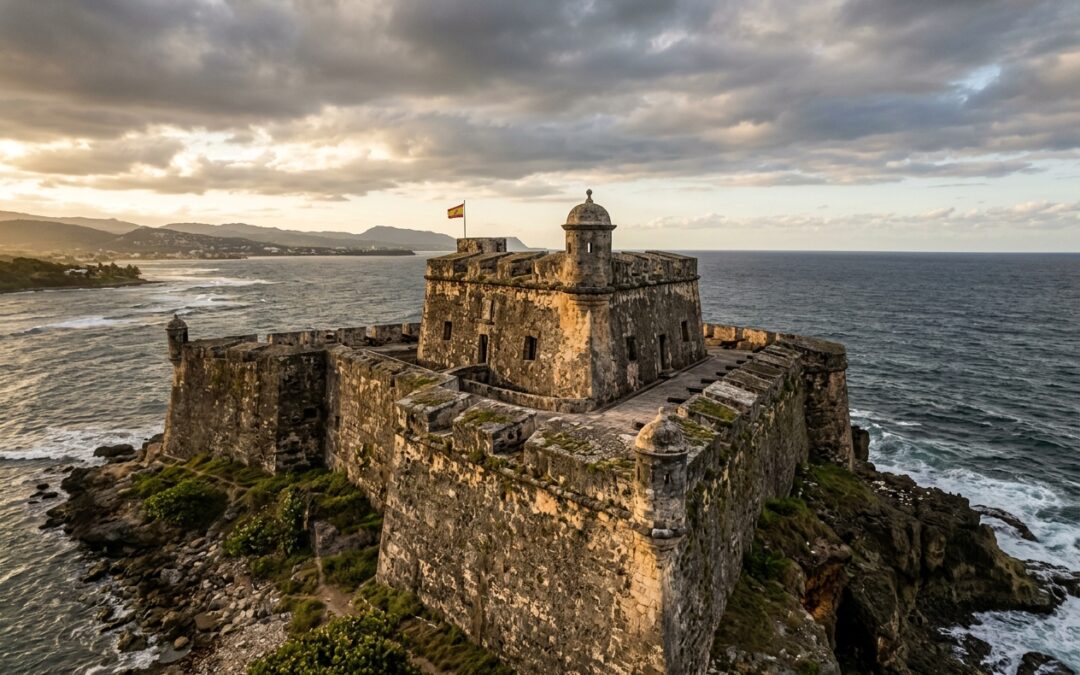
San Felipe Fort: Historical Fortress of Puerto Plata
Imagine standing on the edge of the Atlantic Ocean, feeling the warm Caribbean breeze while surrounded by massive stone walls that once defended a thriving colonial city from ruthless pirates. Welcome to the San Felipe Fort: Historical Fortress of Puerto Plata. Located in the vibrant coastal city of Puerto Plata, Dominican Republic, this majestic 16th-century structure is the only surviving witness to the city’s earliest days.
If you are planning your next vacation, visiting this iconic monument is an absolute must. For North American travelers and Dominican-Yorks returning to their roots, the fort offers a profound connection to the rich heritage of the island. It is not just a building; it is a time machine that transports you to an era of galleons, corsairs, and epic naval battles.
In this ultimate guide, we will explore everything you need to know about this magnificent landmark. From its fascinating origins to practical tips for your visit, get ready to discover why this fortress remains one of the most treasured sites in Puerto Plata, Dominican Republic.
Table of Contents
- The Fascinating History of San Felipe Fort
- Architecture and Design of the Fortress
- What to See and Do Inside the Fort
- Nearby Cultural Attractions
- Essential Visitor Information and Travel Tips
- Conclusion: A Must-Visit Landmark
- Frequently Asked Questions (FAQs)
The Fascinating History of San Felipe Fort
The story of the San Felipe Fort begins in the mid-16th century. King Philip II of Spain ordered its construction in 1564 to protect the strategic port of Puerto Plata, Dominican Republic, from the constant threat of French and English pirates. The region was a booming hub for trade, making it a prime target for maritime thieves.
Completed in 1577, the fortress successfully deterred many attacks. Its imposing presence sent a clear message to any approaching enemy ships. However, as the centuries passed, the role of the fort evolved dramatically. By the 19th century, it was no longer just a military defense point.
During the turbulent times of the nation’s fight for sovereignty, the fort was repurposed as a political prison. One of its most famous inmates was Juan Pablo Duarte, the founding father of the nation. Today, the deep historical significance of this site makes it a cornerstone of tourism in Puerto Plata, Dominican Republic.
If you want to dive deeper into the colonial history of the island, you can explore excellent resources on the official GoDominicanRepublic tourism board website, which highlights the importance of this coastal defense.
Architecture and Design of the Fortress
When you approach the fort, the first thing that strikes you is its formidable architecture. The structure is built with a combination of solid stone, brick, and coral, materials that have withstood the test of time and the harsh marine environment of Puerto Plata, Dominican Republic.
The fortress is surrounded by a deep moat, which originally served as a primary defensive barrier. Visitors must cross a wooden drawbridge to enter the main compound, instantly evoking a sense of medieval adventure. The thick walls were designed to absorb heavy cannon fire from enemy galleons.
Once inside, you will notice the strategic placement of the cannons pointing towards the Atlantic Ocean. These authentic 18th and 19th-century artillery pieces are perfectly preserved. They offer an incredible photo opportunity with the stunning blue waters of Puerto Plata, Dominican Republic, in the background.
To fully appreciate the architectural marvels of the city, many visitors choose to book a comprehensive Puerto Plata City Tour from Amber Cove and Taino Bay Port, which often includes a detailed guided walk through this historic site.
What to See and Do Inside the Fort
Today, the fortress operates as a captivating museum. As you wander through its cool, stone-lined corridors, you will discover an impressive collection of historical artifacts. The museum houses ancient weapons, military uniforms, and everyday items used by the soldiers stationed in Puerto Plata, Dominican Republic.
One of the most moving experiences is visiting the small, dark cells where political prisoners were once held. Standing in the exact spot where Juan Pablo Duarte was incarcerated brings the island’s struggle for independence to life in a profound way.
Don’t forget to climb to the upper ramparts. The panoramic view from the top is simply breathtaking. You can see the modern cruise ports, the sweeping coastline, and the majestic Isabel de Torres mountain towering over Puerto Plata, Dominican Republic.
For travelers who love capturing memories, the lighting during the late afternoon is spectacular. The golden hour casts a magical glow over the ancient stones, making it a favorite spot for photographers visiting Puerto Plata, Dominican Republic.
[INSERTA_TU_SHORTCODE_AQUI]
Nearby Cultural Attractions in Puerto Plata, Dominican Republic
Your historical adventure does not have to end at the fortress walls. The fort is situated in the beautiful La Puntilla park, a scenic green space perfect for a relaxing stroll. Here, you will find the impressive Puerto Plata Amphitheater, a modern outdoor venue that hosts spectacular concerts right by the ocean.
Just a short distance away, the historic downtown area awaits. The city is famous for its colorful Victorian architecture and vibrant street life. If you are passionate about local heritage, we highly recommend checking out our guide on the Top Museums and Cultural Attractions in Puerto Plata.
Another incredible stop nearby is the renowned amber museum. The region is globally recognized for producing some of the clearest and oldest amber in the world. You can learn all about this fascinating gemstone by reading our article on the Amber Museum: History and Complete Visit.
Essential Visitor Information and Travel Tips
Planning your visit to this magnificent landmark is easy, but a few insider tips will ensure you have the best possible experience. The fort is generally open to the public from Monday to Sunday, but it is always wise to arrive early in the morning to avoid the midday Caribbean heat in Puerto Plata, Dominican Republic.
The entrance fee is very affordable, usually costing just a few dollars. This small contribution goes directly towards the preservation of the monument. We recommend hiring one of the local guides waiting near the entrance; their captivating stories add immense value to the tour.
Make sure to wear comfortable walking shoes, as the stone pathways can be uneven. Bring a bottle of water, sunglasses, and plenty of sunscreen. The sun reflects strongly off the ocean in Puerto Plata, Dominican Republic.
If you want to read reviews from fellow travelers before your trip, you can check out the fort’s excellent ratings on TripAdvisor. Thousands of visitors agree that this is a highlight of any vacation in the region.
Conclusion: A Must-Visit Landmark
The San Felipe Fort: Historical Fortress of Puerto Plata is much more than an ancient military outpost. It is the beating heart of the city’s history, a symbol of resilience, and a stunning architectural masterpiece. From epic tales of pirates to breathtaking ocean views, it offers something for every traveler.
Whether you are a history buff, a photography enthusiast, or a family looking for an educational excursion, this site delivers an unforgettable experience. It perfectly complements the beautiful beaches and lush mountains of Puerto Plata, Dominican Republic.
So, as you plan your itinerary, make sure to carve out a few hours for this remarkable fortress. Walk in the footsteps of heroes, touch the ancient stone walls, and let the rich history of Puerto Plata, Dominican Republic, capture your imagination.
Frequently Asked Questions (FAQs)
How much time do I need to visit the fort?
Most visitors spend about 45 minutes to an hour exploring the museum, the ramparts, and the surrounding grounds. However, you might want to stay longer to enjoy the ocean views in La Puntilla park, located right next to the fort in Puerto Plata, Dominican Republic.
Is the fortress wheelchair accessible?
Due to its 16th-century design, which includes a wooden drawbridge, uneven stone floors, and narrow corridors, full wheelchair accessibility is limited. However, the exterior park area in Puerto Plata, Dominican Republic, is flat and offers excellent views of the structure.
Are there English-speaking guides available?
Yes! You will find many knowledgeable local guides at the entrance who speak excellent English. They offer inexpensive, personalized tours that deeply enrich your understanding of the colonial history of Puerto Plata, Dominican Republic.
Can I visit the fort on a cruise stopover?
Absolutely. The fortress is located very close to both the Taino Bay and Amber Cove cruise ports. It is one of the most accessible and popular shore excursions for cruise passengers visiting Puerto Plata, Dominican Republic.