




Sugar Cane Field: Sugar Cane Field Excursions in Puerto Plata, Dominican Republic
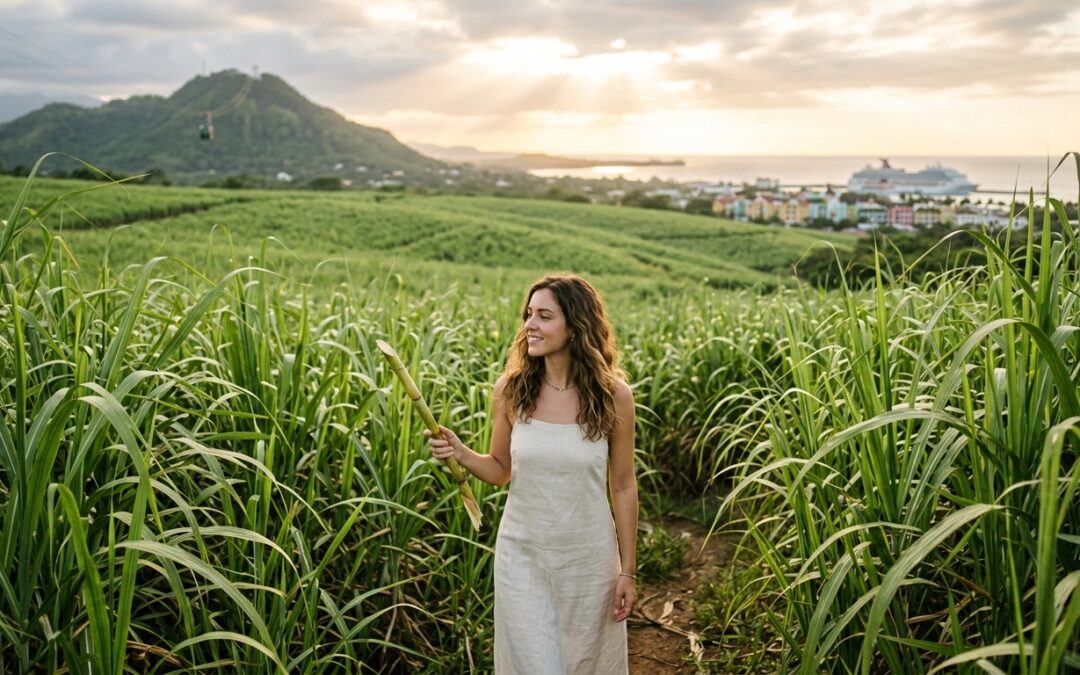
Standing among emerald-green stalks towering high above your head is one of the most authentic cultural experiences you can enjoy in Puerto Plata, Dominican Republic. The sweet aroma of freshly cut stalk sap combined with the cool ocean breeze offers an unforgettable glimpse into the island’s agricultural heritage. For cruise travelers arriving at Amber Cove, Dominican Republic or Taino Bay, Dominican Republic, touring a historic sugar cane field is a must-do activity that seamlessly connects natural beauty, local gastronomy, and rich history.
Whether you choose to ride through working plantations on an off-road buggy or take a peaceful walking tour through the countryside of Puerto Plata, Dominican Republic, learning about sugar cultivation reveals the true spirit of the Caribbean. In this definitive guide, our team at POP Dominican Travel breaks down everything you need to know about visiting a working sugar cane field, from historical origins to modern rum production and thrilling countryside excursions.
Table of Contents
- 1. The History and Legacy of the Dominican Sugar Cane Field
- 2. What to Expect on a Sugar Cane Field Tour
- 3. The Cultural Connection: From Fresh Stalks to Fine Rum
- 4. Off-Road Buggy Excursions Through Green Fields
- 5. Best Time to Visit and Planning Tips
- 6. Conclusion: Discovering the Sweet Soul of the Island
- 7. Frequently Asked Questions
1. The History and Legacy of the Dominican Sugar Cane Field
Sugar cane cultivation has shaped the economic, social, and cultural foundation of the Dominican Republic since the early sixteenth century. Historically centered around the fertile northern valleys of Puerto Plata, Dominican Republic, these expansive agricultural estates laid the groundwork for the region’s world-famous rum distilleries and rural tradition.
When Christopher Columbus established early settlements near La Isabela in Puerto Plata, Dominican Republic, Spanish colonists recognized that the tropical climate, abundant rainfall, and rich soil produced perfect growing conditions. Over the centuries, every sugar cane field across the northern coast became vital to international trade networks, transforming small agricultural towns into vibrant economic hubs.
Colonial Origins and Agricultural Growth
The introduction of sugar crops revolutionized agricultural production across the Caribbean during the early colonial era. In Puerto Plata, Dominican Republic, large estates known as ingenios expanded across the rolling hills, utilizing specialized milling machinery to process raw stalks into valuable sugar crystals and rich molasses.
Today, visitors exploring the countryside near Mount Isabel de Torres in Puerto Plata, Dominican Republic can still spot historical remnants of ancient stone mills. Learning about this transformation provides context to the modern rural communities that continue to farm these historic lands in Puerto Plata, Dominican Republic.
2. What to Expect on a Sugar Cane Field Tour
A guided field tour provides an interactive, hands-on opportunity to learn traditional harvesting techniques, cut fresh stalks, and sip natural guarapo juice. Travelers exploring rural communities near Puerto Plata, Dominican Republic gain an authentic understanding of modern farm life through direct interaction with local agricultural workers.
During a dedicated Sugar Cane Tour in Puerto Plata, Dominican Republic, expert local guides walk you directly through active crops. You will witness the immense physical skill required to harvest tall crops by hand using traditional sharp machetes, a practice that has remained largely unchanged for generations across Puerto Plata, Dominican Republic.
Hands-On Harvesting and Fresh Guarapo Tasting
One of the ultimate highlights of visiting an active crop line in Puerto Plata, Dominican Republic is the chance to taste raw stalk sap straight from the plant. Your guide will expertly slice off the tough outer skin, allowing you to chew on the sweet, fibrous interior and taste pure cane juice.
Furthermore, many excursions feature rustic wooden hand presses where guests can squeeze their own fresh guarapo drink. Sitting under a shaded thatched pavilion in the heart of rural Puerto Plata, Dominican Republic while enjoying this nutrient-rich beverage offers an authentic taste of Caribbean culture according to the GoDominicanRepublic official tourism portal.
3. The Cultural Connection: From Fresh Stalks to Fine Rum
Sugar cane serves as the essential foundational ingredient for authentic Dominican rum, making every field visit a vital step in understanding local spirit craftsmanship. Visiting working fields near Puerto Plata, Dominican Republic directly illustrates how harvested molasses is fermented and transformed into world-class spirits.
Famous distilleries operating across Puerto Plata, Dominican Republic rely heavily on local sugarcane harvests to craft aged white, golden, and dark rums. Combining a morning countryside excursion with a premium Dominican rum tasting experience in Puerto Plata, Dominican Republic gives travelers a complete farm-to-glass perspective.
The Journey from Plant to Bottle
After raw stalks are crushed at processing facilities near Puerto Plata, Dominican Republic, the extracted liquid is boiled down into dark molasses. Master blenders then initiate careful fermentation and double-distillation processes before aging the spirit inside charred oak barrels under the tropical heat of Puerto Plata, Dominican Republic.
Sampling dark, oak-aged rum while gazing out over the vast green leaves of an active sugar cane field in Puerto Plata, Dominican Republic creates an unforgettable sensory connection. It allows travelers to appreciate the craftsmanship embedded in every sip of Dominican spirit.
4. Off-Road Buggy Excursions Through Green Fields
Off-road buggy and ATV excursions offer an exhilarating, action-packed way to explore the sweeping agricultural landscapes of Puerto Plata, Dominican Republic. Navigating rugged dirt trails that slice through towering green crops provides outdoor enthusiasts with a thrill like no other near Amber Cove, Dominican Republic.
By following an expert-led off-road buggy guide in Puerto Plata, Dominican Republic, drivers navigate muddy terrain, cross shallow freshwater rivers, and race alongside endless crop lines. These high-energy tours deliver breathtaking views of mountain ranges framing the countryside of Puerto Plata, Dominican Republic.
Combining Adventure with Cultural Discovery
Most buggies and heavy-duty four-wheeler tours include planned cultural stops at rural homesteads nestled inside the farming districts of Puerto Plata, Dominican Republic. Travelers get to take a break from high-speed driving to sample organic coffee, hot cacao, and fresh tropical fruit harvested nearby.
These combo tours frequently connect rural field trails with coastal routes passing near Sosúa, Dominican Republic and Cabarete, Dominican Republic. It is an ideal option for cruise passengers looking to maximize their onshore schedule near Taino Bay, Dominican Republic, combining adrenaline with local culture according to reviews on TripAdvisor travel forums.
5. Best Time to Visit and Planning Tips
The annual harvest season, known locally as the zafra, takes place between December and May in Puerto Plata, Dominican Republic, offering the absolute best opportunity to observe active cutting and hauling. Visiting during these drier winter and spring months ensures clear sunny skies and optimal trail conditions across Puerto Plata, Dominican Republic.
Planning your excursion during early morning hours allows you to beat the peak tropical heat while enjoying soft morning sunlight illuminating the crops near Playa Dorada, Dominican Republic. Below are quick practical tips to ensure a safe and comfortable outing:
- Wear Appropriate Footwear: Sturdy closed-toe sneakers or hiking sandals are strongly recommended when walking along uneven soil in Puerto Plata, Dominican Republic.
- Protect Against the Sun: Bring biodegradable sunscreen, wide-brimmed hats, and UV-blocking sunglasses for exposed outdoor trails across Puerto Plata, Dominican Republic.
- Wear Dust and Mud Protection: If participating in an off-road vehicle excursion near Amber Cove, Dominican Republic, wear clothes you do not mind getting dirty and carry a bandana or buff.
- Stay Hydrated: Always carry bottled water during rural excursions through the warm countryside of Puerto Plata, Dominican Republic.
6. Conclusion: Discovering the Sweet Soul of the Island
Exploring an authentic sugar cane field in Puerto Plata, Dominican Republic is far more than a simple sightseeing stop—it is an immersive dive into the heart and soul of Dominican identity. From learning about centuries of agricultural tradition to tasting sweet raw juice and riding off-road buggies through green valleys, this experience offers something memorable for every traveler.
Whether you are docking for a brief shore excursion at Taino Bay, Dominican Republic or spending a week relaxing at a beachside resort near the Malecón of Puerto Plata, Dominican Republic, booking a rural field experience will elevate your holiday. Contact our local tour experts at POP Dominican Travel today to reserve your ultimate countryside adventure in Puerto Plata, Dominican Republic!
7. Frequently Asked Questions
Is visiting a sugar cane field suitable for families with children?
Yes, countryside agricultural tours in Puerto Plata, Dominican Republic are family-friendly and educational for children of all ages. Kids love seeing how sugar crops grow, tasting raw stalks, and learning about rural farm life from friendly local guides in Puerto Plata, Dominican Republic.
How far are the sugar cane field tours from the cruise ports?
Most rural field tour departure points are located just 20 to 30 minutes away from both Amber Cove, Dominican Republic and Taino Bay, Dominican Republic. This proximity makes field excursions a convenient and stress-free shore activity for cruise ship guests visiting Puerto Plata, Dominican Republic.
What should I wear on a sugar cane tour in Puerto Plata?
We recommend lightweight, breathable clothing, closed-toe walking shoes, and sun protection when walking through fields in Puerto Plata, Dominican Republic. If your excursion includes buggy driving or visiting river spots near Damajagua Waterfalls, Dominican Republic, bring a change of clothes and a towel.